What if we can stop Alzheimer’s before it starts?
What if we can stop Alzheimer’s before it starts?
A future where Alzheimer’s can be prevented isn’t just possible – it’s probable.
After decades of research and the bravery of families around the world, a series of clinical trials have discovered when biomarkers of Alzheimer’s begin and have also unlocked ways to delay the onset of the disease.
The Dominantly Inherited Alzheimer Network (DIAN), led by WashU Medicine, follows families who carry rare genetic mutations that cause early-onset Alzheimer’s, revealing the earliest change in the brain and helping us transform inherited risk into the promise of prevention.
In Our Lifetime
In Our Lifetime, a new video series from WashU Medicine, explores the research through the eyes of four different participants, and the hope it provides to millions around the world.
Part 1: A Piece of Me
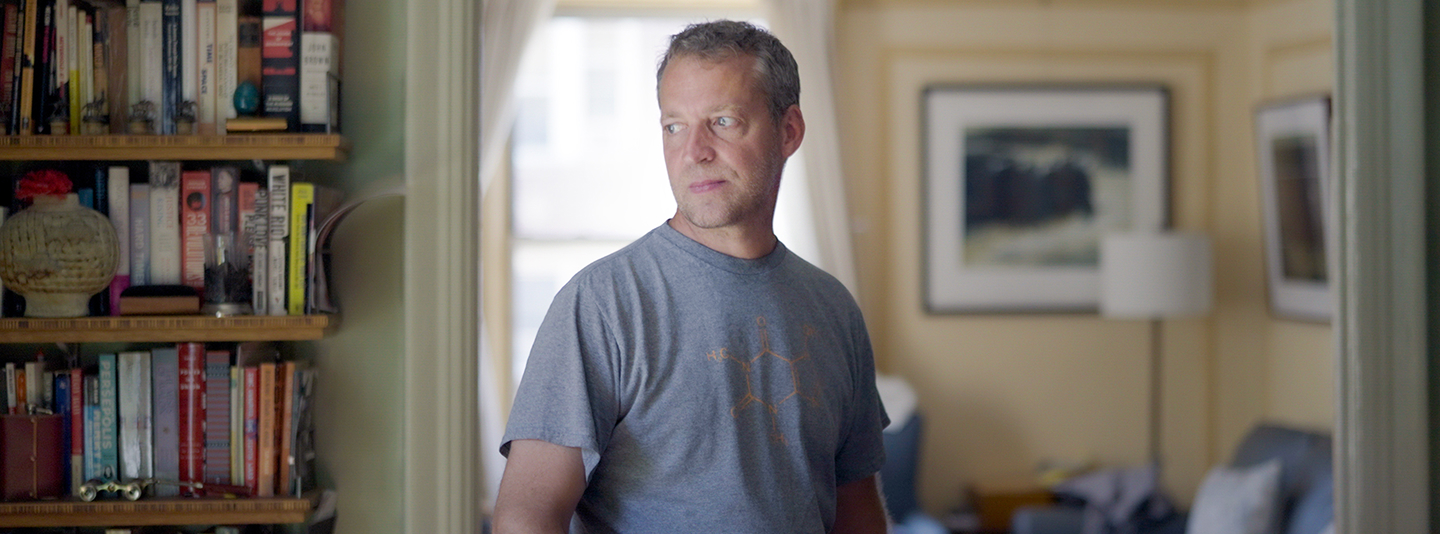
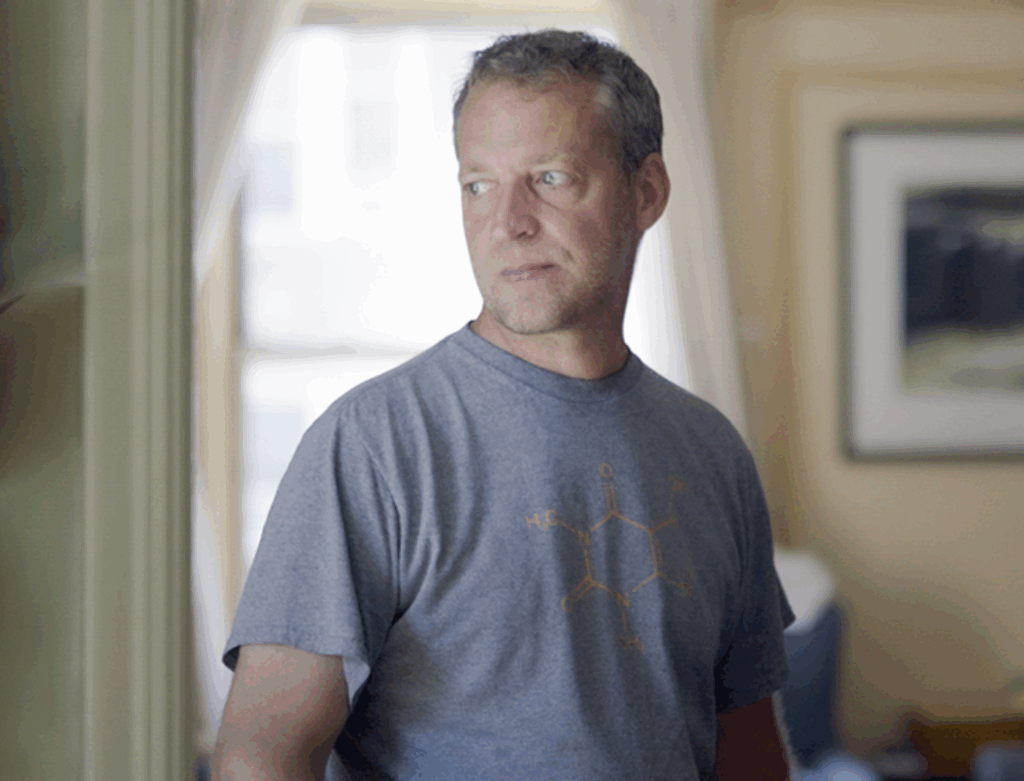
Jake Heinrichs had to watch his father and brother succumb to early-onset Alzheimer’s. And while he carries the same gene, he is still asymptomatic at 51 — the same age his father was when he passed. Watch as he shares his story of nearly 15 years of participating in clinical trials and the opportunity he never thought he’d have.
Part 2: The World is Watching
Randall J. Bateman, MD, has dedicated his career to researching Alzheimer’s disease in search of ways to detect it sooner and fight it harder. Watch to learn why the world is looking to WashU Medicine for answers, the research that is on the verge of finding a cure and what is at risk if we stop now.
Videos coming soon
Feb-March 2026
Part 3: A Matter of Time
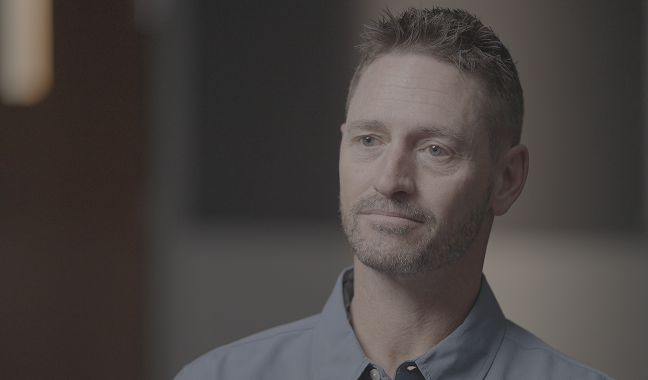
For generations, Dominantly Inherited Alzheimer’s Disease (DIAD) has plagued Marty Reiswig’s family tree. But facing that fact meant fighting for a better future for the next generation. As one of the first DIAN Trials Unit (DIAN-TU) research participants, he shares where the research started – and just how close we are to breakthroughs that will change the world.
Feb-March 2026
Part 4: An Unbreakable Bond
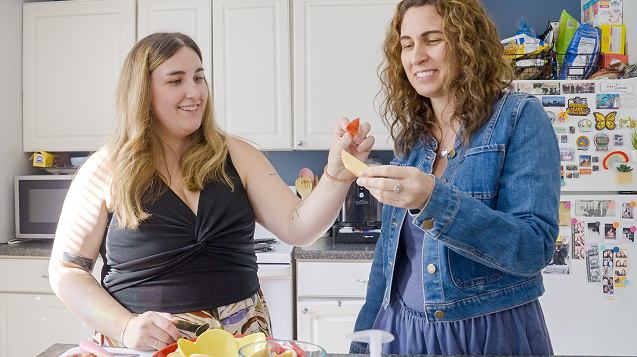
Carrie Richardson has long been an advocate for those with DIAD, sharing her story proudly and joining clinical trials as they became available. After losing her brother to the disease, her conviction became stronger than ever. Watch how the courage of a mother provides hope for millions, and how that courage continues on today with her daughter.
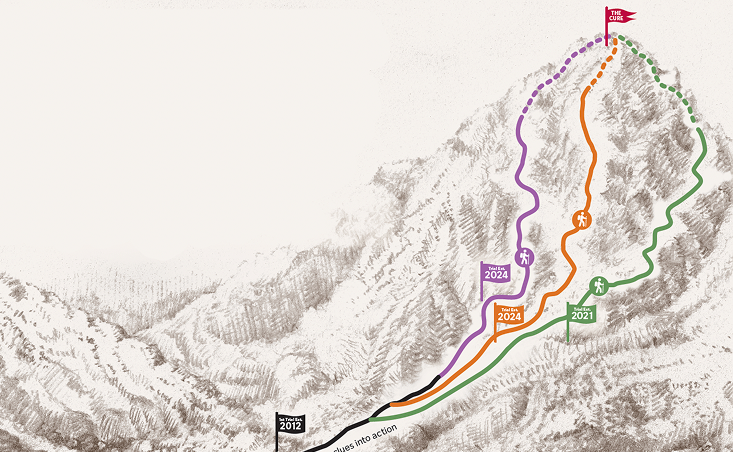
The climb to find a cure for Alzheimer’s
After more than 17 years of progress, we’re closer than ever to stopping Alzheimer’s disease before it starts. The climb is steep, but prevention trials are getting us closer – and with continued support, the summit is within reach.

660 S. Euclid Ave.
St. Louis, MO 63110-1010